 Check
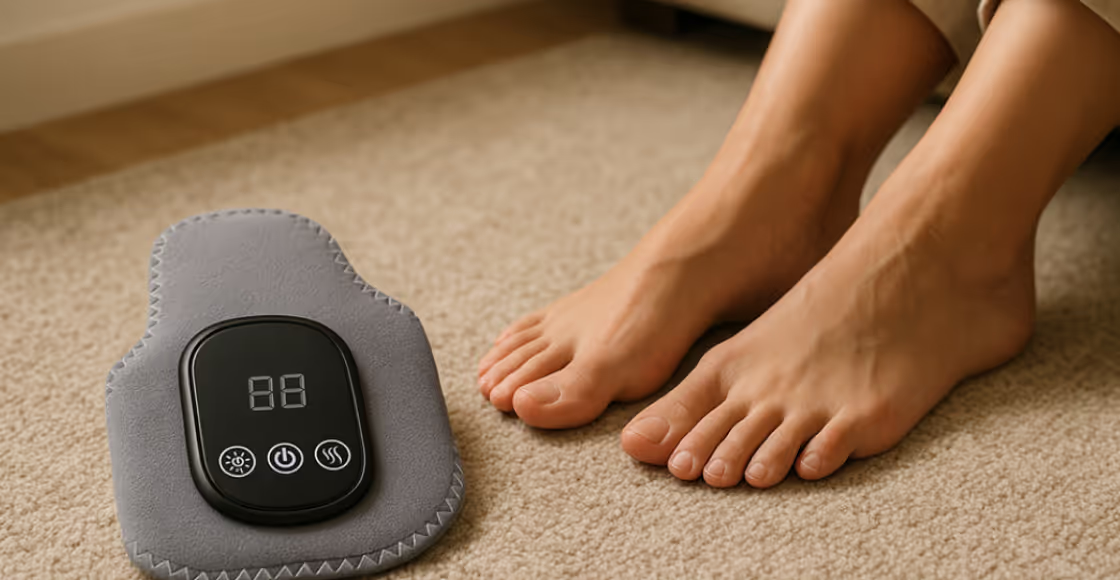
Foot massagers are among the most popular home wellness gadgets in the UK. They're generally safe – but searches like "foot massager contraindications", "can people with cancer use EMSense" and "does EMSense work for neuropathy" show that many buyers have a health condition in mind. Here's who can use one safely and who should ask first.
EMS vs heat, vibration and compression
Not all foot massagers work the same way, and that changes the safety advice.
| Type | How it works | Main caution |
|---|---|---|
| EMS (electrical muscle stimulation) | Electrical pulses through pads make muscles contract | Pacemakers, epilepsy, pregnancy |
| Heat + vibration + compression (e.g. EMSense) | Warming, vibration massage and air compression | Heat on numb feet; compression with clots |
| Shiatsu rollers | Rotating nodes knead the soles | Pressure on sore or injured feet |
| Foot spa | Warm water and bubbles | Not recommended with diabetes by some NHS trusts |
Who should check with a doctor first
❌ Don't use until cleared by a doctor
A current blood clot (DVT) or swelling, pain and warmth in one calf; open wounds, ulcers or infections on the feet; a recent fracture, sprain or foot surgery.
〰️ Ask your GP, podiatrist or specialist first
Neuropathy or reduced feeling, diabetes, severe circulation problems (peripheral arterial disease), severe varicose veins, cancer, pregnancy, a pacemaker or other implanted device, and skin conditions on the feet.
✅ Generally fine
Healthy adults with tired, aching feet after a long day, who follow the instructions and start on a low setting.
Neuropathy and diabetes: the heat question
Neuropathy can dull your sense of temperature and pressure. That's why NHS foot-care leaflets for people with diabetes advise against hot-water bottles and heat pads on the feet: you could burn your skin without feeling it.
- Ask your GP or podiatrist before using any heated device.
- If they agree, start without heat or on the lowest heat setting.
- Check your feet after every use for redness, blisters or marks – use a mirror or ask someone.
- Don't treat a massager as treatment: neuropathy needs a diagnosis and management plan.
Sources: NHS community trust diabetes foot-care leaflets (e.g. Kent Community Health, Leeds Community Healthcare).
Cancer, pregnancy and pacemakers
Cancer: gentle massage is often fine, but ask your cancer team first. It depends on your treatment, blood counts, blood clot risk, any lymphoedema, and whether chemotherapy has affected the feeling in your feet (in which case avoid heat).
Pregnancy: ask your midwife first, particularly with swelling in one leg, high blood pressure or a history of clots.
Pacemakers and implants: read the device manual and check with your cardiology team. This matters most with EMS devices, but any electrical gadget used close to the body is worth checking.
How to use a foot massager safely
- Read the manual and any list of warnings first.
- Start low: lowest intensity and heat for the first sessions.
- Keep sessions short: the EMSense manufacturer suggests 15 to 30 minutes a day.
- Sit, don't stand or walk while it's on.
- Stop if you feel pain, increasing numbness, or see skin changes.
FAQ: is a foot massager safe?
Verdict: safe for most – ask first if your feet have a medical issue
For healthy adults with tired feet, a heated foot massager is a safe, relaxing treat. If you have neuropathy, diabetes, a clot, wounds, cancer, a pacemaker or you're pregnant, speak to a professional first. EMSense combines heat, massage and compression for healthy, tired feet.
→ Visit the official EMSense website *